
What Is a Multi-Family Appraisal? A Complete Guide for Property Owners
Written By: AnDel Appraisals Staff
Fact Checked By: Ray Anderson (Founder)

A multi-family appraisal can help owners to understand what a house with multiple housing units could be worth. Assessing the value of a duplex, triplex, or apartment complex is more complex than comparing house prices in nearby areas due to occupancy, income, and expenses, as well as the condition of leases, and sales could affect multifamily valuation.
This is important when refinancing, selling, buying, settling estates, or reviewing an investment. Knowing the process of best short term rental markets and property description will help you in providing more details and making an informed decision about your property.
What Is a Multi-Family Appraisal?
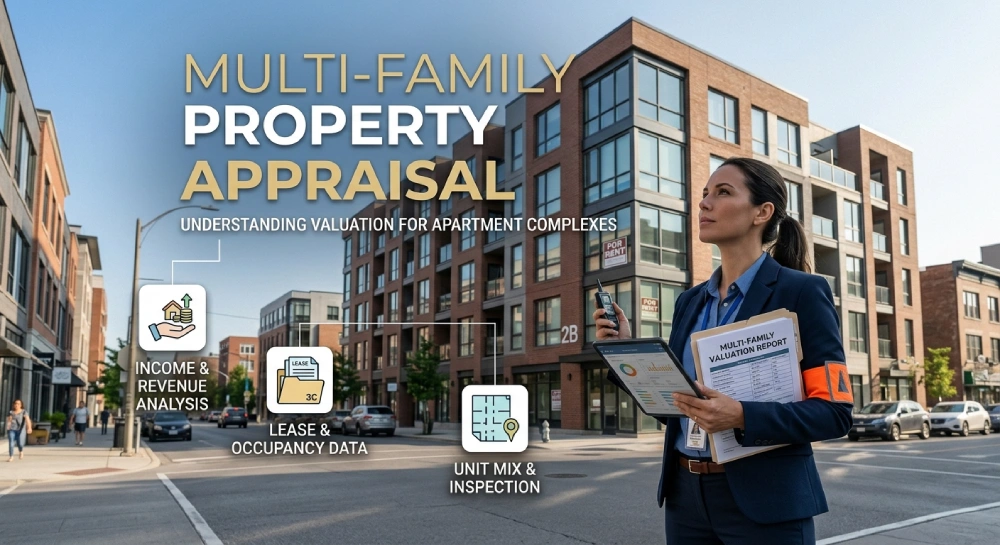
A multi family appraisal provides a reputable appraisal of a property’s value depending on its physical attributes such as location, evidence of market value, and financial performance. The appraiser examines the units, buildings, leases, the site, and expenses, as well as comparable properties before coming to a substantiated conclusion.
Since multifamily properties may generate rent, the valuation process may be based on both the physical asset and its operational performance. A duplex or a larger apartment complex requires different analyses; however,the end goal is the same to create an opinion that is supported by evidence.
How to Buy Multifamily Property: Main Approaches
Appraisers can consider three conventional methods. The sales comparison method reviews similar sales in the past and adjusts them to reflect differences in size, condition, location, mixture of units, and amenities. The income approach analyzes rents, vacancy costs, expenses, and net operating earnings.
The cost method considers the value of land and estimates of replacement costs, and depreciation is considered when it is appropriate. The method used and its significance depend on the location and the assignment.

What Does the Appraiser Examine?
Multi-family appraisals focus on the physical asset as well as the financial results. Owners must provide accurate information and provide details of the major changes, expenses that are unusual, or any other modifications that could affect the appraisal.
Common items are:
- Unit count, size and the layout
- Current lease rates and lease terms
- Occupancy and vacancy
- Taxes, insurance, as well as operating costs
- Renovations and repairs
- Parking and amenities, zoning, and the use that is permitted
- Concurrence-related sales that are relevant
Two four-unit structures could be worth different amounts depending on which one has higher rents and better condition or has lower operating expenses.
Step-by-Step: What Happens During a Multi-Family Appraisal?
- Definition of the assignment: Establish the purpose, as well as the property’s interest and the date of valuation.
- Record keeping: Provide rent rolls, leases, income statements, tax records, as well as the details of improvements.
- Check properties: Common areas of review, the site condition, and other notable characteristics.
- Explore the marketplace: Analyze comparable sales and rentals, evidence of rental, as well as local market conditions.
- Utilize appropriate techniques: Use approaches that give evidence that is meaningful.
- Reconcile the results: Weigh the evidence and form the final decision.
A complete record will ease the process and aid in determining the real earnings and expenses.
Why Property Owners Need an Accurate Valuation
A multi-family appraisal is a good tool to aid in the refinance, sale, purchase, estate issue, or an investment review. It offers an independent opinion that gives owners more confidence in their financial decision-making.
An appraisal isn’t the equivalent of the asking price. Listing prices reflect the seller’s plan of action, whereas appraisals consider evidence that is relevant to the transaction. This distinction is important when comparing an investment property for sale against different properties.
What Can Increase or Reduce Property Value?
Rents that are market-supported, stable occupancy in good condition, excellent facilities, a favorable location, and documented improvements could increase the value. These aspects can make a property appealing to investors and buyers.
Some of the potential concerns are deferred maintenance, low occupancy, high costs, unfavorable leases, physical limitations, or zoning concerns. Financial conditions, investor demand, as well as competing properties and recent transactions may also affect multifamily real estate.
Multi-Family Appraisal vs. Other Valuation
The primary differentiator is the importance given to operating and income. Single-family appraisals often rely mostly on sales comparable to the previous; however, multifamily properties might require a more thorough examination of expenses, rents, leases, and the behavior of investors.
If you are planning to purchase a multi-family property, examining these elements can help you decide if an offer is backed by the conditions and the potential for income. Similar principles can be helpful when looking at investments.
Conclusion
A multi-family appraisal can help owners to understand the value of their property by analyzing data on the property, its income, comparable sales, as well as the surrounding market. When you’re selling, refinancing, buying, or evaluating the value of an investment, knowing the process of valuation can help improve the decision-making process.
Begin by organizing your documents and determining the reason for the appraisal. The clarity of information and the well-defined assignment provide appraisers with the best foundation to develop an accurate assessment of the value. A well-planned appraisal process is simpler to comprehend and utilize.
Frequently Asked Questions
What is a multi-family appraisal?
It’s a professional’s opinion of a property’s market value based on the property’s economic and financial data.
How do you value a multifamily property?
Appraisers could make use of the comparable sale, analysis of income and cost data, based on the property and the assignment.
Is an appraisal needed for refinancing?
A lender might need one, based upon the type of loan being offered, the property, and the lending needs.
What documents should owners prepare?
Create leases, rent rolls, expenses and income documents, tax information, and the records of renovations.
Does rental income affect value?
Yes. Costs, rents, and the resulting income could affect an income-producing property’s worth.
What is the sales comparison approach?
It determines the value of the property by comparing a property against similar properties that have recently sold and adjusting for variations.
Can renovations increase appraised value?
These can occur when improvements improve the condition, functionality, or appeal to the market; however, the results can be varied.
Is an appraisal the same as an inspection?
No. Appraisals focus on value, whereas an inspection typically concentrates on physical conditions and the presence of imperfections.
How long does an appraisal take?
Timing of property inspections varies based on size, complexity, records, research requirements, and the scope of assignment.
Should an owner get an appraisal before selling?
It is able to provide an impartial, value-adjusted opinion that can help the owner to develop an informed selling strategy.
Our Services

Financial Planning & Trust Appraisals – Best Home Appraiser

Date of Death Appraisals – Best Home Appraiser