
FHA Inspection Requirements 2026: Common Problems That Can Delay Your Home Sale
Written By: AnDel Appraisals Staff
Fact Checked By: Ray Anderson (Founder)
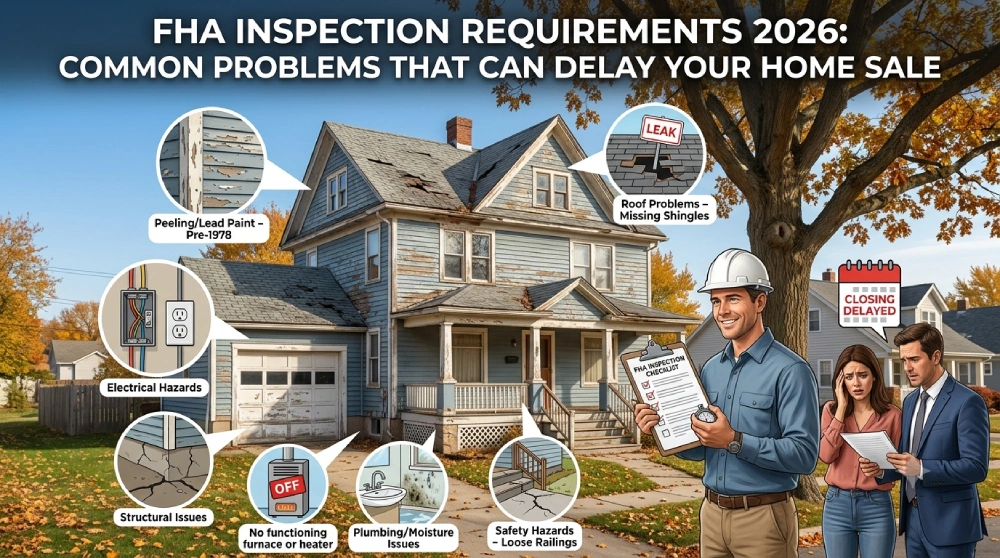
There are 4 surprising factors that can affect a home appraisal. The fha inspection requirements actually do two jobs. First, it estimates the market value of the home. Second, it checks for basic property standards tied to safety, soundness, and security. This is part of the fha inspection requirements and insurance costs.
What “Won’t Pass” Usually Means in Real Life
In most fha inspection requirements, the home cannot close until the required repairs are completed and verified. So when people ask what causes an FHA appraisal dispute to fail, they are really asking:
– What causes the appraiser to require repairs?
– What issues make the property ineligible as-is?
– What problems delay closing or force a price renegotiation?
This article covers the fha inspection requirements, FHA property standards and home appraisal tips that trigger repair requirements, using the most common issues appraisers spot in older housing stock.
1. Peeling, Chipping, or Flaking Paint
Paint is one of the most common fha inspection requirements, especially on homes built before 1978 . This is because of lead-based paint risk.
Problem spots include:
– Exterior trim, eaves, and soffits
– Porch railings and decks
– Window sashes
– Detached garages and sheds
– Interior windowsills in older homes
Even if the paint issue feels cosmetic, it can still be treated as a health and safety issue under fha inspection requirements rules.
Fix: Scrape, prep, and repaint properly. Don’t leave paint chips on the ground. Treat outbuildings and fences too.

2. Roof Problems
The roof must have at least two years of remaining useful life. Appraisers check for holes, loose or missing shingles, soft spots, and active leaks.
Red flags include:
– Missing or curling shingles
– Visible leaks or staining inside the attic or ceiling
– Multiple worn-out layers
If the appraiser sees these issues, the loan cannot close until the roof is repaired or replaced.
Fix: Replace missing shingles, repair flashing, and provide roof documentation if it is newer.
3. Missing or Non-Functioning Heating
The home needs a permanent heat source capable of heating all living areas safely.
Common FHA problems:
– No working furnace or heat pump
– Space heaters used as the primary heat source
– Damaged flues or venting for gas appliances
FHA appraisers are strict about this because a lack of maintenance makes a home unlivable, especially in colder climates.
Fix: Ensure the heating system is functional and can maintain at least 50 degrees Fahrenheit throughout the home.
4. Electrical Safety Hazards
Fha inspection requirements often call out obvious electrical safety issues. The appraiser is not an electrician, but they will flag visible hazards.
Red flags of property devaluation include:
– Exposed wiring
– Open junction boxes
– Missing cover plates
– Sparking outlets or signs of overheating
– Non-functioning fixtures in key areas
Fix: Replace missing cover plates, fix exposed wiring, and ensure the electrical panel is safe.
5. Plumbing and Water Supply Issues
The appraiser is looking for basic functionality and signs of failure. Active leaks, poor drainage, and no running water are all problems.
Common FHA triggers:
– Active leaks under sinks
– Water damage from ongoing leaks
– No running water or hot water
– Poor drainage or sewer backup signs
– Missing water heater straps where required
In rural areas, water supply questions often come up because homes may rely on private wells.
Fix: Repair visible leaks and ensure all plumbing fixtures are functional.
6. Foundation and Structural Problems
This is the serious category. If the low appraisal sees significant foundation movement, major cracking that looks structural, or walls that bow, they will call for a structural inspection by a licensed appraiser.
Red flags include:
– Large foundation cracks
– Signs of settling or movement
– Rotting wood around decks, steps, or sill plates
– Sagging floors
Structural issues can slow the transaction down fast. They require real estate professional assessment and repair before FHA will approve the loan.
Fix: Consult a structural engineer and make the necessary repairs.
7. Water in Crawl Spaces and Moisture Damage
Homes with moisture problems are a red flag for FHA appraisers. Standing water in crawl spaces, visible mold, and rotting wood all trigger repair requirements.
Red flags:
– Standing water in crawl spaces
– Mold-like growth patterns
– Rotting wood around the foundation
– Poor grading that funnels water toward the home
Appraisers will require drainage improvements and structural repairs before approving the loan.
Fix: Improve drainage and extend downspouts away from the foundation .
8. Safety Hazards
FHA is strict about obvious safety hazards because they are easy to see and easy to justify.
Common examples:
– Loose or missing stair handrails
– Broken steps or unstable landings
– Large cracks or uneven walkways
– Missing guardrails on elevated decks
– Broken windows or missing window panes
– Doors that don’t open or close securely
Fix: Install sturdy handrails, repair broken steps, and fix broken windows.
9. Septic and Well Problems
If a home is on septic or a private well, the appraiser will look for reasonable confidence that the systems are functional.
Issues that can stop an FHA closing:
– Sewage odors or surfacing effluent
– Plumbing backups
– Known septic failure
– Missing documentation where required
Fix: Gather recent records and handle known issues before listing.
10. Property Access Issues
FHA loans require safe, reliable access to the property . Problems include no legal access to a public road, shared driveways without recorded easements, and unsafe or impassable access in normal weather.
Fix: Ensure proper legal documentation and safe, passable access year-round.

What Happens If the Appraisal Flags Repairs?
When the appraiser identifies a deficiency, it becomes a condition on the appraisal report. The repair must be completed and re-inspected before the loan can close.
Options for handling repairs:
– The seller completes repairs before closing.
– The buyer pays for repairs before closing.
– Repairs are funded through an escrow holdback (limited to specific situations).
– Use an FHA 203k renovation loan to finance the purchase price plus repairs .
Conclusion
Fha inspection requirements exist to protect borrowers from buying homes with hidden health, safety, or structural problems. The requirements are not unreasonable. They are the same things a responsible home inspector would flag.
The key to a smooth fha inspection requirements is preparation. Walk the property before the appraisal with the FHA checklist in mind. Fix low-cost items in advance. Address known issues before listing. A $200 repair done before the appraisal can prevent a $2,000 delay and renegotiation after.
Frequently Asked Questions
What is the difference between an FHA inspection and an FHA appraisal?
An FHA appraisal is the official process that estimates a home’s market value and checks for minimum property standards. An fha inspection requirements is not required by the loan program, though many buyers choose to get one.
What are the three core FHA property requirements?
Safety, soundness, and security. The home must be safe to inhabit, structurally sound, and secure from the elements and unauthorized entry.
Can the seller refuse to make FHA-required repairs?
Yes. The seller has no obligation to make repairs. If they refuse, the buyer must pay for the repairs, negotiate a credit, or walk away from the deal.
How is a house appraised and FHA appraisal valid?
FHA appraisals are valid for 180 days from the effective date. If the closing extends beyond that, a new appraisal or an appraisal update is required.
Are FHA property standards stricter than conventional loans?
Generally yes. FHA appraisals evaluate health, safety, and structural soundness in addition to market value. Conventional appraisals focus primarily on value with fewer mandatory repair requirements.
What negatively affects home appraisal?
Peeling paint on pre-1978 homes. Roofs with less than two years of life left. Heating, electrical, or plumbing that doesn’t work.
What does an appraisal look for?
Active termite damage. Mold. Environmental hazards. Unpermitted additions. Those can kill a deal.
Can I get an FHA loan on a fixer-upper?
Yes, but you’ll need an FHA 203k loan. That lets you roll purchase price and repair costs into one mortgage.
Should I get a separate home inspection with an FHA loan?
Yes. The FHA appraisal is not a substitute for a full home inspection. A home inspection digs deeper into the property’s condition.
Our Services
Financial Planning & Trust Appraisals – Best Home Appraiser

Bankruptcy Appraisals – Best Home Appraiser