Estate Planning Appraisal: Why It Matters and When You Need One
Written By: AnDel Appraisals Staff
Fact Checked By: Ray Anderson (Founder)
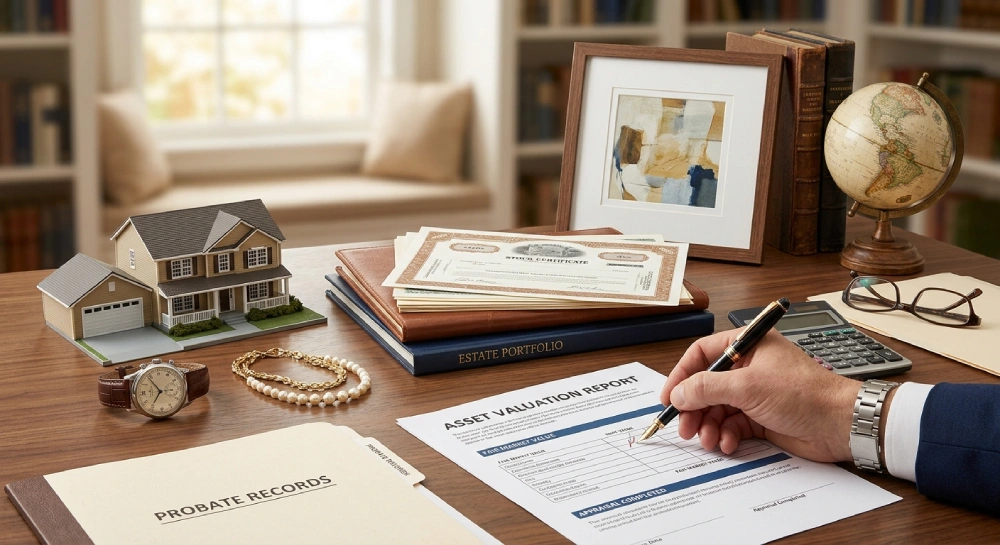
You have probably spent years building your assets, whether that is a family home, a business, an investment portfolio, or a collection of valuable art.. You want to make sure what you leave behind goes to the right people without creating a mess for them to clean up.
Here is the thing about estate planning appraisal that many people do not realise until it is too late. Knowing what your estate assets are worth is just as important as having a will. Without a proper estate planning appraisal, your beneficiaries could face unexpected tax bills, family disputes over who gets what, and a prolonged probate process that drains the estate of time and money.
What Is an Estate Planning Appraisal?
An estate planning appraisal is a professional valuation of your assets, typically prepared at the time of death or during lifetime gifting. It goes beyond just looking at your bank statements. It covers real estate, business interests, investment portfolios, vehicles, collectibles, art, and any other significant assets you own.
The most important concept here is fair market value. This is the price at which appraisal of property would change hands between a willing buyer and a willing seller, neither being under any compulsion to buy or sell. The valuation must reflect conditions as of a specific date, which is usually the date of death or the date of the gift transfer.
Why Does a Professional Appraisal Matter?
If you do not get an accurate valuation, your heirs could face serious financial consequences.
First, the IRS requires a qualified appraisal prepared by a qualified appraiser for estate tax reporting on assets worth more than certain thresholds. Without this, your estate planning appraisal could be audited, and the statute of limitations might never start running, meaning the IRS could challenge the valuation years later.
Second, for probate estates that go through probate, the court needs an accurate inventory and appraisal to determine things like the size of the probate bond, statutory fees owed to the personal representative and attorney, and how assets should be distributed. In California, if the estate exceeds $184,500, it typically must go through probate, and an inventory and appraisal is required.
Third, an accurate appraisal establishes the stepped-up tax basis for your heirs. This is critical because it determines whether they will owe capital gains tax when they sell an inherited asset. A proper date-of-death appraisal means they are taxed only on appreciation that happens after the inheritance, not on the growth that occurred during your lifetime.
When Do You Need an Estate Appraisal?
A professional estate planning appraisal is needed in several situations:
- For estate tax reporting. If your estate is large enough to trigger federal estate taxes, you will need a qualified appraisal from a qualified appraiser.
- During probate. The probate services requires an inventory and appraisal of all assets in the estate. This is typically done by a court-appointed probate referee or a private appraiser for specialised items.
- For lifetime gifting. If you are gifting assets worth more than the annual exclusion (which is $19,000 per recipient in 2025), a professional appraisal may be needed to determine gift tax liability.
- For charitable donations. If you are donating valuable assets to a charity, the IRS may require a qualified appraisal to justify the tax deduction.
- To avoid family disputes. A professional valuation provides an independent, market-based reference number that all parties can accept, reducing the risk of arguments over asset distribution.
Understanding the Probate Appraisal Process
When someone passes away, the estate planning appraisal goes through a process called probate if it does not qualify for a small estate exemption. The court appoints a personal representative or executor to manage the estate.
One of the most important tasks is preparing an inventory and appraisal of all assets. The personal representative must identify every asset, account for probate cash and liquid assets, and arrange for appraisals of property that requires professional valuation.
For most tangible assets like real estate, vehicles, and household contents, a court-appointed probate referee handles the valuation. In California, probate referees are appointed by the State Controller and designated by the court. They must appraise the property within 60 days of receiving the inventory.
However, for valuable or unique items like artwork, antiques, jewellery, coins, and stamps, the personal representative must hire a private personal property appraiser. That appraisal is then incorporated into the formal inventory and appraisal filed with the court.
Special Assets That Need Expert Appraisal
Not all assets are straightforward to value. Some require specialised expertise.
Real estate often represents the largest asset in an estate. For most estate planning purposes, a broker opinion of value may be sufficient for documentation, but for IRS reporting, a certified appraisal may be required. A BOV is faster and lower in cost, while a USPAP-compliant certified appraisal is more defensible for tax purposes.
Closely held business interests and privately held securities typically require a qualified appraisal because there is no active public market to establish value. Appraisers use one or more of three approaches: the income approach, the market approach, and the asset-based approach.
Collectibles like art, antiques, rare coins, and vintage automobiles need specialised appraisers who understand the unique market for these items. Values can fluctuate significantly, so if a collection has not been appraised in the last five years, it is worth updating.

IRS Standards and Qualified Appraisers
The IRS has strict requirements for what constitutes a qualified estate planning appraisal and a qualified appraiser. A qualified appraiser must have verifiable education and experience in valuing the type of asset being appraised.
They may have earned an appraisal designation from a recognised professional organisation or have met minimum education requirements with two or more years of experience.
Estate planning appraisal and gift tax purposes must be performed in accordance with Revenue Ruling 59-60 and the Uniform Standards of Professional Appraisal Practice. The report must be well-documented and prepared to withstand IRS scrutiny.
Frequently Asked Questions
What is an estate planning appraisal?
A professional valuation of assets to determine fair market value for estate tax reporting, probate, gifting, or asset distribution purposes.
When do I need a professional estate appraisal?
When you are reporting estate or gift taxes, going through probate, making lifetime gifts above the annual exclusion, or donating valuable assets to charity.
What is a probate referee?
A court-appointed appraiser who values assets in a California probate estate, including real estate, vehicles, and household contents.
What is the stepped-up tax basis?
When you inherit property, its tax basis is reset to its fair market value at the date of death. This means you are taxed only on appreciation that occurs after you inherit it.
Can I use a broker opinion of value instead of an appraisal?
For most estate planning appraisal and probate needs, a BOV is sufficient and lower in cost. But for IRS filings and litigation, a certified appraisal is recommended.
What happens if an estate is undervalued?
Understating the value of assets on a gift tax return can trigger penalties from the IRS if they find the reported value is 65% or less of the fair market value.
How long does a probate appraisal take?
In California, the probate referee must complete the estate planning appraisal within 60 days of receiving the inventory.
Our Services

Pre-Listing & FSBO Appraisals

Pre-Purchase Appraisals – AnDel Appraisal